The New Era of ‘It Bags’: Why Timeless Luxury Handbags Are Making a Comeback

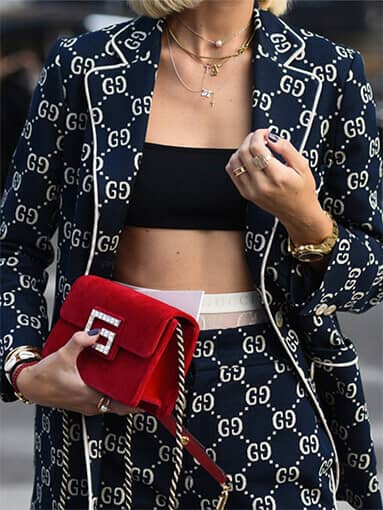
For over two decades, the term “It Bag” sort of lived in almost everyone’s head as this nonstop parade of hyper-trendiness. Flashy hardware, micro-mini proportions that could barely keep a lip balm in place, and huge logo prints that basically yelled for attention, even from across the room. Every season seemed to demand a fresh silhouette, and somehow luxury accessories started to feel disposable, like little markers of whatever fleeting digital moment was in charge right then. If the price of the original sort of holds you back, then having pre owned authentic luxury handbags is also a trend these days.
But now fashion is doing this real pivot, like not a small tweak, rather more of a full turn. We’re walking into a new era of the “It Bag,” and it’s not really about seasonal hype or that visual noise. Instead it leans into restraint, heritage, and a kind of functional elegance that actually holds up. Timeless designs are showing up again, very boldly, and they’re making it clear that true luxury doesn’t have to shout to make an impact.
The Move from Flashy Trends to “Quiet Luxury”
Honestly, the fashion enthusiast is running out of patience for trend cycles. Those fast little micro-trends make flash in the pan accessories feel old almost immediately, like they arrived already outdated or something. So, modern consumers are starting to gravitate toward understated sophistication, which will never ask for applause or attention.
Right now, the defining look is all about clean lines, deep leather textures, neutral palettes, and forms that feel architectural. Today's “It Bags” stand out by what they don’t have—aggressive logos, gimmicky silhouettes, and that kind of noise—and they shine because of what they do have careful craftsmanship, balanced proportions, and real day to day versatility. a structured leather shoulder tote, or even a softer slouchy hobo bag carries way more cultural weight than some viral, impractical micro purse that looks cute but not useful.
This swing back toward classicism also points to something broader in how people value things. Accessories aren’t treated like single season statement props anymore, they're more like foundational building blocks in a refined, intentional wardrobe, and it changes everything.
The Rise of Conscious Consumerism and Resale Culture

The comeback of “timeless” design is really tied up with the whole circular economy boom. Conscious fashion buyers are kind of looking past the usual first-stop retail aisles, and they’re turning their attention toward secondary platforms to snag high quality, durable investments, without too much hesitation.
This is why the market for pre-owned luxury handbags has absolutely surged, powered by smart shoppers who realize classic designs tend to stick around, and sometimes even climb in value as time keeps moving. A vintage Hermes Kelly, a structured Chanel Flap or an archival Prada shoulder bag brings this real sense of history, character, and master workmanship that the seasonal off-the-rack stuff just can’t match.

Buying preowned luxury bags isn't only some budget thing anymore. It’s become a stylish sustainable power move. People are proudly curation-minded, like actively hunting for vintage pieces that have stayed intact through decades of shifting fashion weather. That taste for staying power doesn't stop at handbags either. The same consumer who wants an archival, pristine leather tote is also drawn to classic horology, pairing their heritage leather bags with pre-owned Rado watches, known for scratch-resistant ceramic skills and those minimal, enduring silhouettes. So, across both leather goods and timepieces, longevity, timeless luxury, and heritage are basically the ultimate status badges.
What Makes a Modern Classic?
If the seasonal gimmicks are out, what kind of thing actually defines the new wave of iconic bags? Like, not the loud “look at me” vibe but more the quiet stuff that just sits right.
● Architectural Simplicity: Think clean, functional shapes—East-West shoulder bags, relaxed Boston styles, and those easy, top handle satchels—so they move from work into weekend without needing that whole outfit reboot.
● Tactile Richness: It’s all about exceptional materials, buttery calfskin, supple suede, and that fine grain leather that kind of softens over time and grows its own personal patina.
● Subtle Signature Details: Instead of big, plastered logos you get structural hints, a distinct curve to the handle, an elegant geometric closure, or super immaculate contrast stitching that feels deliberate not decorative.
● Ergonomic Functionality: Roomy interiors, strap lengths that actually make sense, and lighter construction, so the bag supports something real.
Investment Value: Why Classic Designs Win?
From an investment angle, chasing trend-led bags is basically a losing gamble. Super specific seasonal pieces can drop hard in resale value once their viral moment fades. Timeless designs however tend to act like financial safe harbors, steadier and more dependable.
When you put money into classic silhouettes, especially if you get them from verified resale platforms, you’re basically taking on an asset with a real proven record. Heritage luxury houses tend to cap production on their core models, which keeps market demand steady. If you ever feel like rotating your wardrobe, authentic pre-owned bags classics can also offer strong resale value, so fashion lovers can switch things up, but still do it responsibly and on purpose.
The Enduring Legacy of True Style
This new era of the “It Bag” is honestly a good step, like an evolution instead of a total re-do for fashion. Moving away from fast-lived hype, and leaning toward enduring form plus function, the luxury world lately seems to favor heritage over plain trendiness.
Whether you’re picking up a pristine archive piece through a carefully curated reseller, or you’re choosing a newly made design that’s built on the same classic principles, going for timelessness is basically going for longevity. Trends will always fade and return in cycles, but excellent craftsmanship, elegant lines, and design that stays relevant will never really disappear.