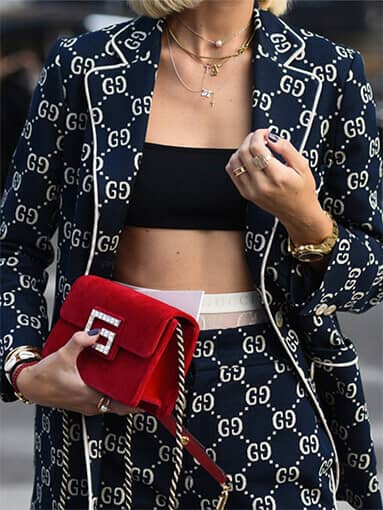
In recent years, the phrase "Investment Piece" has slid slowly from fashion marketing, which speaks into something more proper in the discussions happening among financial analysts. It’s not just runway talk anymore. High-end fashion items—once treated as clearly depreciating personal stuff—are now showing up beside art, rare watches, and fine wine in alternative asset mixes owing to their resale value. People are considering luxury handbags as an investment these days.
Big auction moments, the type you see everywhere, like rare Hermes Birkin or Kelly bags landing for more than $100,000, have fed a tempting question: if I buy a luxury handbag, could it actually make me rich?
The short answer is yes, but yeah, there are major caveats of Luxury handbags investment. Some iconic silhouettes have managed to outpace standard market indexes, but moving through the secondary luxury market takes strategy, careful research and a real sense of value retention. So here’s what every modern collector should know before they decide to turn their closet into an asset vault.
Luxury Handbag Resale Value: Hype vs. Hard Numbers
Not every high-end tote will pay you back with profit. In truth, most consumer luxury goods drop anywhere from 30% to 50% of their retail price as soon as you leave the boutique. The whole appreciation story is basically carried by a smaller set of “Holy Grail” pieces, mostly tied to Hermes, Chanel, and certain limited-edition Louis Vuitton lines.
|
Brand / Model |
Average Resale Value Retention |
Primary Growth Drivers |
|
Hermès (Birkin, Kelly, Constance) |
100% – 150%+ |
Artificial scarcity, strict quota system, handmade craftsmanship |
|
Chanel (Classic Double Flap) |
85% – 115% |
Semi-annual retail price hikes, timeless appeal |
|
Goyard (Saint Louis, Anjou) |
100% – 104% |
Limited boutique network, zero online sales |
|
Louis Vuitton (Monogram Classics) |
70% – 85% |
Massive global recognition, extreme durability |
The financial pull of Hermes, especially, seems tied to this supply constraint thing. You know how boutiques basically make you prove you’re worth it by building these long spending records before they even consider offering a Birkin or Kelly at retail. So then people who shop on the secondary market end up paying this big premium, just to skip the whole waitlist.
In a similar vein, Chanel’s more aggressive retail price rises, like doubling the price of the Classic Flap in the last few years, have dragged secondary prices up too. It’s like the pricing gravity follows the retail numbers, even when the bag isn’t sitting on a shelf anymore.
Why the Luxury Handbag Secondary Market Matters?
If you’re the kind of buyer who tries to treat fashion as an asset, the primary boutique counter usually isn’t the best financial entry point. Buying straight at retail often means you take the full markups and you eat the immediate taxes too, while the secondary market lets collectors step in using valuations that the market has already tested and validated.
Smart investors often lean on preloved luxury bags to shape their portfolios. When collectors buy authenticated pre-loved luxury bags, they can get past random retail price jumps, pick up discontinued colorways or older—more rare—leather types that aren’t produced anymore, and snag pieces that have already passed their early depreciation curve.
And if you end up with high grade pre owned bags that have already proven, over several seasons, that people still want them then your downside risk drops a lot. If a classic style stays in steady demand on circular economy platforms, it will almost behave like a liquid, inflation hedged physical commodity.
4 Rules for Investing in Luxury Handbags
If you want your handbag collection to bring financial returns as well, then you have to take care of a few things which are as follows:
1. Choose Timeless Colorways & Neutral Leathers
Neon pop colours and seasonal prints can grab attention real fast, sometimes even too fast. But in the end, neutral shades usually stay more liquid, and they tend to earn steadier resale premiums. Black, Gold (cognac brown), Étoupe, and Nata/Trench are still among the most liquid colour options across big luxury brands. For leather, go with tougher, more practical options like Hermes Epsom or Togo, and Chanel Caviar beats lambskin that gets scuffed more easily, even with normal use.
2. Protect Condition, and handle the Packaging like it matters a lot
In the collector scene, condition is basically everything. A mint-condition bag that still has its original box, dust bag, rain cover, receipt, and a microchip or authenticity card can sell for about 15% to 25% more than the same exact model offered without that provenance. Store the bag carefully like stuffing it with acid-free tissue, and keep it away from direct sunlight in a climate-controlled room.
3. Confirm Authenticity beyond any doubt, not “kinda” sure
Because high-grade counterfeits are getting better, an item that isn’t verified can end up with near-zero resale value. Try to work only with reputable resale platforms that do multi-step human expert checks, plus AI support (for example, Entropy). And keep your own independent, third-party certificate(s) of authenticity; don’t rely on just one statement.
Neutral basics, careful preservation, and strong verification are all what you need. If you do that consistently, resale becomes a lot more predictable.
4. Know When Small Beats Large
Over the last five years, people’s tastes have shifted pretty fast toward compact forms. The Birkin 25 and Mini Kelly tend to produce higher ROI, at a percentage level, than the bigger 35cm or 40cm options. Smaller cross body and mini top handle styles fit both daytime wandering and late-night going out, plus they match current street fashion too, so buyer demand stays higher.
The Verdict: First Passion Asset Then the financial Asset
So, can a luxury handbag actually grow your money? In the right situation, and with a focus on elite brands, rare, or classic pieces, kept in pristine condition, with disciplined entry prices—handbags can act like a resilient store of value. They can also help hedge against inflation, which sounds wild but is real enough when the fundamentals line up.
Luxury accessories should not replace a balanced financial lineup of stocks, bonds, or even real estate. Bags come with holding costs, they need physical protection, and they never deliver the same instant liquidity you get from normal market instruments.
The best way forward is to treat collector handbags as passion assets. If you zero in on iconic silhouettes in the preloved luxury space, you can enjoy world-class craftsmanship right now while feeling calmer because your wardrobe contains something tangible with a genuine value for later.