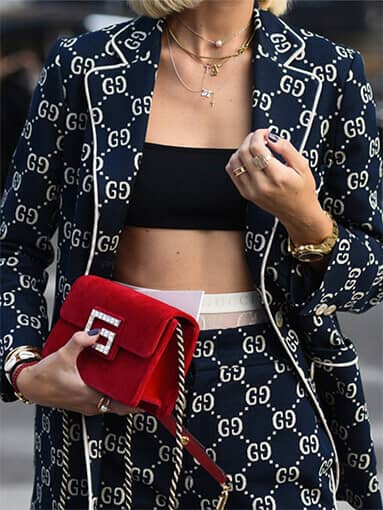
Luxury brands are no longer limited to fashion and accessories. From fragrance and beauty to homeware, hospitality and pre-owned luxury, leading luxury brands are building complete lifestyle ecosystems. This shift is changing how consumers experience and engage with luxury brands every day.
Now the big idea is the luxury lifestyle empire. Many heritage brands do not just outfit people for parties. They try to shape how a person lives every day. The reach goes beyond clothes. It can include coffee at home, served in nice porcelain. It can include small hotels, high end meals, interior items, and their own scents.
The Rise of the Luxury Lifestyle: From Couture to Everyday Culture
This shift comes from how buyers behave now. Today’s generation, especially the Millennials and Gen Z often want to have more than a single item. They lean toward shared moments, a complete look, and steady contact with a brand. They never stop on a single dress, their motive is to have a style that they can boast at home, on trips, and on a daily basis.
Hermès, Dior, and Cartier got this early. They learned that staying in view means fitting into daily routines. So they offer easy ways to enter, such as fragrance, beauty items, home goods, and other options that show up on the secondary market. The goal is to make a world you can step into, not just a product you wear once.
How Luxury Brands Are Expanding Into Lifestyle Categories
● Fragrance as the first doorway
Fragrance is the one major point that gives you entry in the world of luxury brands. When a person buys $300 eau de parfum, then it feels like a status symbol. In another world, the same person might need to spend four or five times that just to enter ready-to-wear. Fragrance works like quiet clothing. It sits close each day and turns a scent into a personal mark. It also builds loyalty before anyone buys a jacket or dress.
● Making home feel special
As lifestyles blend, comfort at home has become a big deal. Brands have noticed and they bring their skills indoors. You can see it in small items that feel easy to use, like designer slippers, paired with soft cashmere blankets and delicate dishes. The goal is simple: give customers a taste of careful, handmade quality on ordinary mornings. When brands do this, the living space starts to feel like a brand space.
● Standout pieces that tell moving stories

Big luxury brands rely on signature items. Such items display status in more than one era. The Christian Dior bags are the right example just like the Lady Dior and the Book Tote. They act like cultural objects, shaped by taste and history. Brands keep them fresh through artist work, short pop-up spaces, and themed museum displays. In that way, a bag becomes more than something you wear. It points to a wider idea of the style people want to live in.

As the lifestyle vision grows, older brands are looking more at what is already owned. Reusing pieces with history adds weight to a label. Someone shopping for a pre-owned Cartier watch, like a Tank or a Santos, is really stepping into that ongoing story. The fast-moving resale space also suggests luxury does not vanish. It builds a past, earns new meaning, and can hold value as years pass.
Brand teams think in layers. That is how they keep the same image across many product types.
● First there is an entry zone. Here you find items like perfume, lip products, and scented candles. They let new buyers feel the brand without paying for the top tier right away.
● Next comes casual daily use. This side includes small goods such as Hermes slippers for women and soft luxury clothes for lounging. The aim is to bring runway skill into everyday routines, not into a rare event.
● Then there is the heritage set. This is where standout pieces act as the main anchor. Dior bags and fine jewelry sit here. They point to skill, long-term taste, and the brand story that outlasts trends.
The next layer is the growing pre-owned luxury and resale market. Buyers are increasingly looking for pre-owned designer handbags, luxury watches and vintage pieces, giving iconic products a second life while extending the story and value of luxury goods. Buyers may look for a used Cartier watch or older couture pieces. These options help show that the brand can last, and that the value can stay with time.
In the end, the modern luxury home wants full immersion. The idea is simple but wide. A visitor comes to consciousness in a space that feels put together by a label. They slip into a pair of nice shoes, then pick a familiar scent meant to be recognized. A family-style handbag goes on their arm. After that, they fasten a vintage watch that has been fixed up and made to run again. Once those details match, the whole brand seems used in real life, not just claimed for display. It is not just about those few special evenings anymore. It is where you spend your mornings. It is what you smell each day. It is the history you keep close, every day.