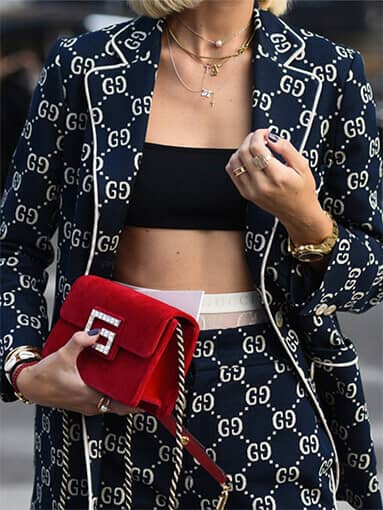
Luxury is changing fast, and not in a small way. Quick trends, cheap churn, and factory output have made it harder to trust labels alone. Many buyers now want more than a high sticker price. They want things that feel real and last.
Old stories and real making skills are pulling ahead. They answer the push and pull of today’s market. When nearly anything can be copied in a night or built by a line without pause, the real status is in time spent, not in speed. It is in years of training, long brand history, and work done with care by people who know their craft.
1. People Matter in a World of Machines

Stores are full of fast fashion and items made to wear out soon. In that setting, a human hand stands out. Brands that are truly luxury keep old skills alive. They protect methods that machines do not know how to mimic. A hand made item carries a past. Craftspeople spend years, sometimes decades, learning their specific trade. They learn how leather reacts to heat and cold. They learn how thread tension shifts as years pass. Small signs that look off to a machine are what prove it was made for a person. This kind of care turns a normal accessory into something you can feel. Buyers ask for this more and more, since so much life now happens through screens and feels far away.
2. Louis Vuitton and the Value of Craft

If you want to see how “heritage” turns a product into a real landmark, start with Louis Vuitton. The brand did not begin as a fashion powerhouse. It started in 1854 in Paris, with a workshop focused on trunks. Back then, the founder changed travel gear in a clear way. He made flat-top trunks that used waterproof canvas. The goal was simple, and it fit the era. People needed luggage that worked well with the new ways of moving around.
That same care shows up in today’s Louis Vuitton handbags. If you look closely at the Louis Vuitton line of bags, you can see methods shaped over long years in old workshops. One well-known place is Asnières-sur-Seine. A single bag takes a lot of work. There are hundreds of small steps involved. Leather is shaped by hand, and tough areas are reinforced. Even the monogram canvas is put on with careful alignment, seam by seam. Because of this history, the bag is not only a passing fashion item. It is built like a solid structure, and it reflects almost two centuries of French savoir-faire.
3. Sustainability by Making It Last

Luxury talk has changed a lot in recent years. Many people now connect luxury with sustainability, not just status. In contrast, mass fashion is often made to be replaced fast. It uses seasonal design and materials meant to wear out sooner. There are synthetic blends and cheaper bonded leathers. Production also tends to use quick, high-speed assembly, which can lead to quicker damage and disposal.
Louis Vuitton goods are made with long use in mind. Full-grain leathers and strong canvases support that goal. Crafting is also different. Hand stitching and careful repair-ready construction help keep the bag going. Official brand ateliers can restore items, especially in areas that face stress.
Heirloom-quality items do not drop in value the moment you buy them. They usually keep their worth, and in some cases they rise over time. A fast-fashion piece often loses value right away and later ends up replaced. A bag made well is meant to last. With time, it gets to look better and instead of throwing it away, you must keep, repair, and restore it. Many heritage workshops earn their name by making goods that can move from one person to the next, generation to generation.
4. Money value and staying power

With today’s economy, some people treat luxury goods as a safer option. They may see high-end leather bags, fine watches, and custom jewelry as a way to hold value when markets feel shaky. In several cases, these items can hold up better than common benchmarks over the long run.
Why does this happen? Scarcity and craft matter. When goods are mass-made, they can be made again and again, so buyers expect less long-term value. Handcrafted products are different. The work depends on skilled people, and that work takes real time. People also pay attention to the story behind the item. Provenance is part of the price. It reflects the time spent by hand, the choice of strong materials, and the history tied to the brand.
5. Personal meaning and sense of self

Luxury items also do more than last and hold value. They connect to a need for identity and deeper meaning. When you carry something with a past, you join a wider tradition in a way that feels real.
These days, many interactions are quick and digital. A physical object made with months of human effort can feel steady and grounded. You can sense the care in it. It becomes a quiet message about patience, true craft, and high standards. The focus is not on instant rewards. It is work that takes time.
Heritage and craftsmanship are no longer only slogans. They are what many shoppers now look for in higher end goods. With fast fashion pushing out new items so often, and with automation taking over more tasks, the standard for real prestige stays steady. It comes down to real human skill. It also depends on designs that do not feel dated. And it needs a strong focus on quality that lasts, even as years pass.