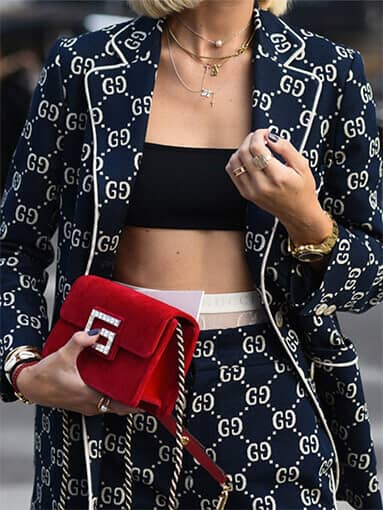
In luxury fashion, there is a quiet fight between name power and careful making. Shoppers ask themselves one main question. Are they buying a famous mark, or are they paying for skills that last? With Louis Vuitton, it often feels like both.
Trends come and go, and lately many people want less loud design. Still, Louis Vuitton bags show up on streets and at events. The brand stays visible thanks to its old trunk trade, its design ties with well-known culture makers, and a resale market that does not fade.
The Economics of Desire: Status Sign or Long-Term Buy

Louis Vuitton works because it can be seen two ways at once. It is a status sign, which can also act like an item that holds value. Seasonal clothes may feel dated fast, but many bags last for years. Bags like the Neverfull, Speedy, and Alma are clear examples.
You can see this in the retail world. Louis vuitton bags price has gone up in recent years. That rise has not stopped people from buying. If anything, it can make the items feel harder to reach and more wanted. Buying in the first market can feel less like a one-time spend. It can feel like choosing a classic piece that you will recognize for a long time.
The resale surge: why older LV still wins
A luxury name is tested by how well it moves in the resale world. When people chase second hand Louis Vuitton bags, the whole shopping habit shifts. Buyers can find hard to get vintage styles. They also get a lower cost way to join the brand.
Many shoppers who browse for Louis Vuitton used bags want signs of age that look right. They look for colors that are no longer made. They also care about the older build and the details that came with it. The brand’s coated fabric does not fall apart easily. So bags from 20 to 30 years back can still look solid. That makes them feel like items to pass down, not quick trend pieces.
The Y2K return: the 2026 Murakami Re Edition

You can see the blend of art, the logo, and the brand story in Louis Vuitton’s work with Japanese artist Takashi Murakami. This push started in 2003 under Marc Jacobs. The Monogram Multicolore, Cherry Blossom, and Cerises lines helped shape the Y2K look.
2003: First Look
Pop art with French roots
Takashi Murakami swapped the old brown LV mark for a loud 33-shade mix. He turned plain suitcases into something people noticed right away. It became a pop culture sign.
Then came the build-up
20 years, and still loud
Early re-release items brought back designs fans already knew. That stirred up memories. It also pushed prices on the used market to new peaks.
Now, for 2026
A new run, with familiar vibes
The new drop rolls out through 2026. It brings redone shapes. Some examples include softer Speedys, changes to Travel Almas, and updated SLGs. The idea is to match Murakami’s bold style with today’s luxury build.
These 2026 releases show how Louis Vuitton can use past looks and still feel current. The bright, playful designs return, but the details shift. Hardware updates and softer leather finishes help. That draws in people who wanted the first run back. It also pulls in younger buyers. They are seeing Y2K style for the first time.
Logo or Luxury? Here is the verdict
Is it only a logo, or does it count as real luxury?
Both can be true. A logo can grab your attention at first. But if the brand does not back it up with real craft, history, and smart business work, the pull fades. Louis Vuitton accessories keep showing up for one main reason. The monogram shows the pieces have held up. It also keeps the style from going out of date. And people keep buying them again later.
Some shoppers wait for a new 2026 Murakami release. Others search for an older trunk through resale listings. In both cases, buyers feel like they are taking home part of fashion history. They also want the price to stay strong as time passes.