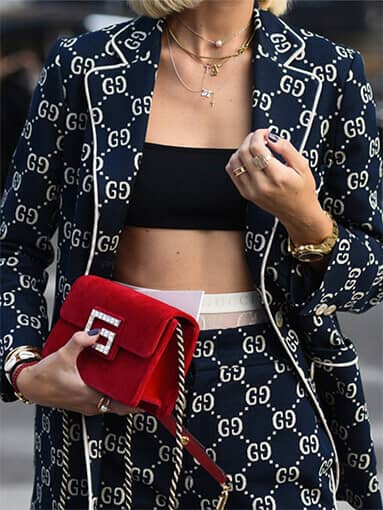
Beyond the Glitz: Why Celebrities Use Designer Bags to Build a Strong Personal Brand?

The fashion industry in Hollywood and worldwide entertainment markets operates fashion as a means of communication which extends beyond mere clothing. The designer handbag stands as the most powerful accessory which a star can use to establish their authority. The owner uses these items as their identity tools through their collection of rare Hermès Birkin bags and vintage Chanel bags which they display on their Instagram account.
The accessories hold major importance in the situation because they serve as essential components. The elite class uses designer handbags to shape their public image which starts from their psychological connection with celebrity power and continues through the increasing acceptance of pre-owned luxury handbags.
The Psychology of Celebrity Influence

Celebrities are the best trend setters for fashion. A celebrity who displays a particular handbag creates an impression which extends beyond their needs because they promote a certain way of living. The phenomenon creates what is known as the "It-Bag" effect.
Consumer behavior research shows that people who follow celebrities use their opinions to assess product quality and fashion trends. The audience receives a subconscious message through product endorsements from successful actresses and chart-topping musicians that these brands deserve their financial investment. The "social proof" effect shows how a celebrity uses their status to authenticate the bag while the bag itself boosts the celebrity's elite power through its enhanced prestige.
1. Defining Personal Identity
A designer bag helps a celebrity "bracket" their identity. The first example shows
● The Classic Professional: A star aiming for a sophisticated, timeless image might lean toward structured silhouettes from brands like Prada or Celine.
● The Trendsetter: A rising Gen-Z star might opt for avant-garde, "of-the-moment" pieces from Balenciaga or Jacquemus to signal they are ahead of the curve.
● The Sustainable Icon: Increasingly, celebrities are opting for pre owned designer bags. They select vintage and archival items to demonstrate their commitment to environmental protection and their choice of "quiet luxury" which they use to reject "new-is-always-better" thinking.
The Aspirational Angle: Creating a Dream
People in luxury fashion base their business model on making customers wish for their products. The average consumer cannot afford a $10,000 handbag, but watching it on a celebrity transforms it into a dream that has been achieved.
Exclusivity and Status
Designer bags require customers to pay both expensive prices and additional costs which prevent them from making purchases. The "waitlist culture" of certain high-end brands means that even if you have the money, you might not be able to buy the bag. A celebrity who displays a limited-edition item demonstrates their exclusive access to that item. People develop their personal brands through exclusivity because it enables them to display their membership within special groups that outsiders must observe from a distance.
The Circular Economy Provides Accessibility Solutions

The dream exists as a distant goal that requires different methods for its realization. The expanding trend of celebrities using pre-owned bags has made luxury goods accessible to more people. Celebrities showcase their pre-owned high-quality items which create an accessible yet ethically sustainable luxury experience. The product connects two opposite worlds which include the exclusive A-list lifestyle and the authentic fashion items that budget-conscious consumers want.
Why is "Pre-Owned" the New Personal Branding Power Move?
The past few years have seen people stop viewing second-hand fashion as a negative thing because they now appreciate "vintage" and "archival" fashion items. Many celebrities now select pre owned luxury bags as their preferred choice because they want to create a unique personal style.
● Uniqueness: The 1990s and early 2000s vintage collection delivers a distinctive fashion option that stands apart from other fashion options. The celebrity shows his fashion IQ by selecting historical fashion items instead of choosing the standard mannequin outfit.
● Sustainability as a Value: Personal branding in 2026 requires people to establish their personal value systems. Celebrities who wear pre-owned bags demonstrate their commitment to the circular economy which attracts younger people who care about environmental issues.
● Investment Savvy: Celebrities view bags as valuable items that they can use for financial gain. Certain pre owned designer bags appreciate in value over time. The owner of a bag which most people consider a smart investment shows he has both financial knowledge and good taste.
The "Paparazzi Stroll" and Visual Storytelling
A celebrity appears in public when photographers capture their image while they purchase coffee. The moments which people observe happen because the performers selected specific times to display their work. The choice of handbag in these "candid" shots is a deliberate piece of visual storytelling.
An oversized tote suggests a busy, hardworking mogul; a tiny micro-bag suggests a life of leisure where one doesn't need to carry much more than a credit card. The collection of products which celebrities use includes items from both upcoming collections and historical collection of designer handbags which creates a fresh image that attracts press coverage.
More Than Just a Fashion Statement
A designer bag serves as a protective barrier for celebrities which displays their social standing and showcases their professional goals. The method serves as an effective tool which enables people to showcase their financial status and personal style and cultural beliefs without using spoken communication. Their current fashion choices demonstrate their desire to follow modern runway styles while they seek distinctive vintage designer items which will enhance their collection. People who understand the function of these accessories demonstrate that fashion serves two purposes, which include self-presentation and building personal identity through fashion choices.